


Winterising your pool: The complete guide 2026
Not winterising your pool on time can bring major risks, such as frost damage, green build-up and unexpected costs after winter. In this complete guide for 2026, discover how you can safely and efficiently prepare your pool for the cold months with just a few simple steps.
You can read all about proper preparation, thorough cleaning, correct water treatment, correctly covering your pool and avoiding common mistakes. With these practical tips and clear explanations, winterising your pool becomes not only easy, but you also ensure a longer lifespan for your pool.
Curious how to get started right away and get through winter worry-free? Read on to discover how you can enjoy a clean and well-maintained pool all season long without any problems.
Why winterising your pool is important
Winterising your pool on time prevents common problems that can arise during the cold months. This preparation effectively protects the pool against frost damage to pipes, pumps and lining. Without proper precautions, the risk of cracked pipes, broken pumps or stubborn green build-up is significantly higher.
Practical examples show that winterising your pool is essential to avoid expensive repairs in spring. Think of burst pipes due to frozen water, loose tiles or a green, slippery floor. According to the trade association, as many as 40% of pool owners experience serious problems after winter if preparation has been insufficient.
In addition to protecting the installation, good winter maintenance ensures that water quality is maintained and materials wear out less quickly. This significantly extends the lifespan of your pool installation. In addition, a thorough approach contributes to the environment: fewer chemicals are needed when winterising the pool is carried out professionally. Want to know more about the benefits and approach? Then read the pool winterising guide 2026 for a complete overview.
The result is a clean, safe and sustainable pool, ready for use as soon as spring begins. This way, you save costs, time and work in an environmentally friendly way.

Requirements and preparation
Proper preparation is essential when you start winterising your pool. By gathering the right materials in time, you avoid stress and make sure you don't overlook anything.
Essential materials for a winterised pool
Make sure you have the following items at home:
- Good quality winter cover
- Pool brush and, if desired, an automatic pool robot
- Water analysis test kits for chlorine, pH and alkalinity
- Winterising floats and winterising plugs for pipes
- Winterising fluid against algae growth and limescale build-up
Preferably invest in quality products. This extends the lifespan of your pool and prevents unpleasant surprises after the winter period.
Practical preparation and safety
Plan winterising the pool for the moment when the water drops below 15°C. Lay out all the necessary items in advance for a smooth workflow. Check the technical installation, such as the pump and filter, for any defects.
Always use gloves and protective clothing when working with pool chemicals. Read the instructions carefully and ensure chemicals are stored safely, out of reach of children.
Handy checklist
A clear shopping list helps you avoid forgetting anything. Think of the cover, test kits, winterising fluid and plugs. Want to be sure you complete every step? Then have a look at this pool winterising checklist for a complete overview of points to consider.
With this preparation, you ensure that winterising the pool goes smoothly and safely.
Step-by-step plan: Winterising the pool
A good step-by-step plan is essential to make winterising your pool simple and effective. Follow this practical approach to prevent damage, extra costs and unpleasant surprises in spring. By carefully carrying out each step, you ensure your pool is optimally protected throughout the winter.
Step 1: Thoroughly cleaning the pool
Always start winterising the pool with a thorough clean. Remove leaves, twigs and other debris from the water with a skimmer net. Scrub the floor and walls carefully with a pool brush to prevent build-up and algae. For extra convenience and a deep clean, you can use an automatic pool robot for cleaning, so that even the finest dirt is removed. Also check and clean the filters, as a clean filter ensures optimal water circulation during the final weeks before winter. This lays the foundation for trouble-free winterising.


Step 2: Checking and adjusting the water balance
The next step in winterising the pool is checking and correcting the water balance. Measure the pH value and ensure it is between 7.2 and 7.6. If necessary, add winterising fluid to prevent algae growth and limescale build-up. Also test the chlorine and alkalinity levels with test strips or a test kit. A balanced pool prevents problems such as green build-up and ensures water quality remains good even after winter. Don't forget to dose all products according to the instructions for the best result.


Step 3: Lowering the water level and protecting the pipes
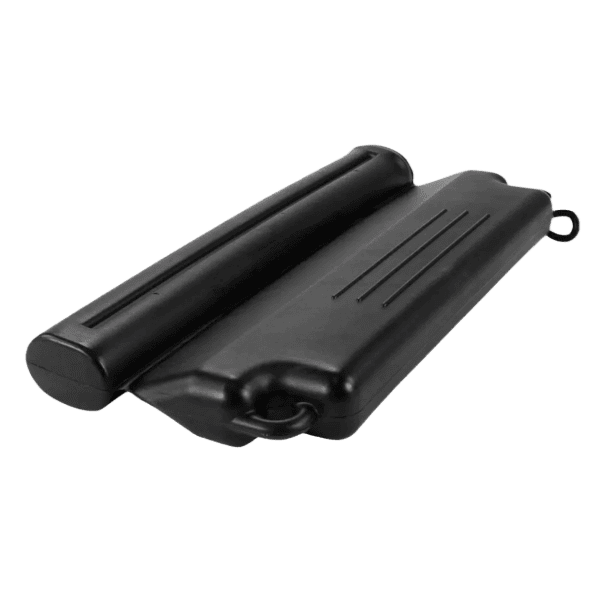
For winterising the pool, it is necessary to lower the water level to just below the skimmer. This prevents damage caused by freezing. Let the water level drop carefully, but make sure enough water remains in the pool. Empty the pipes completely and use winterising plugs to prevent water from remaining inside. Place winterising floats diagonally across the pool to absorb pressure from the ice. This way, you protect pipes and technical installations against frost damage and costly repairs.


Step 4: Covering the pool
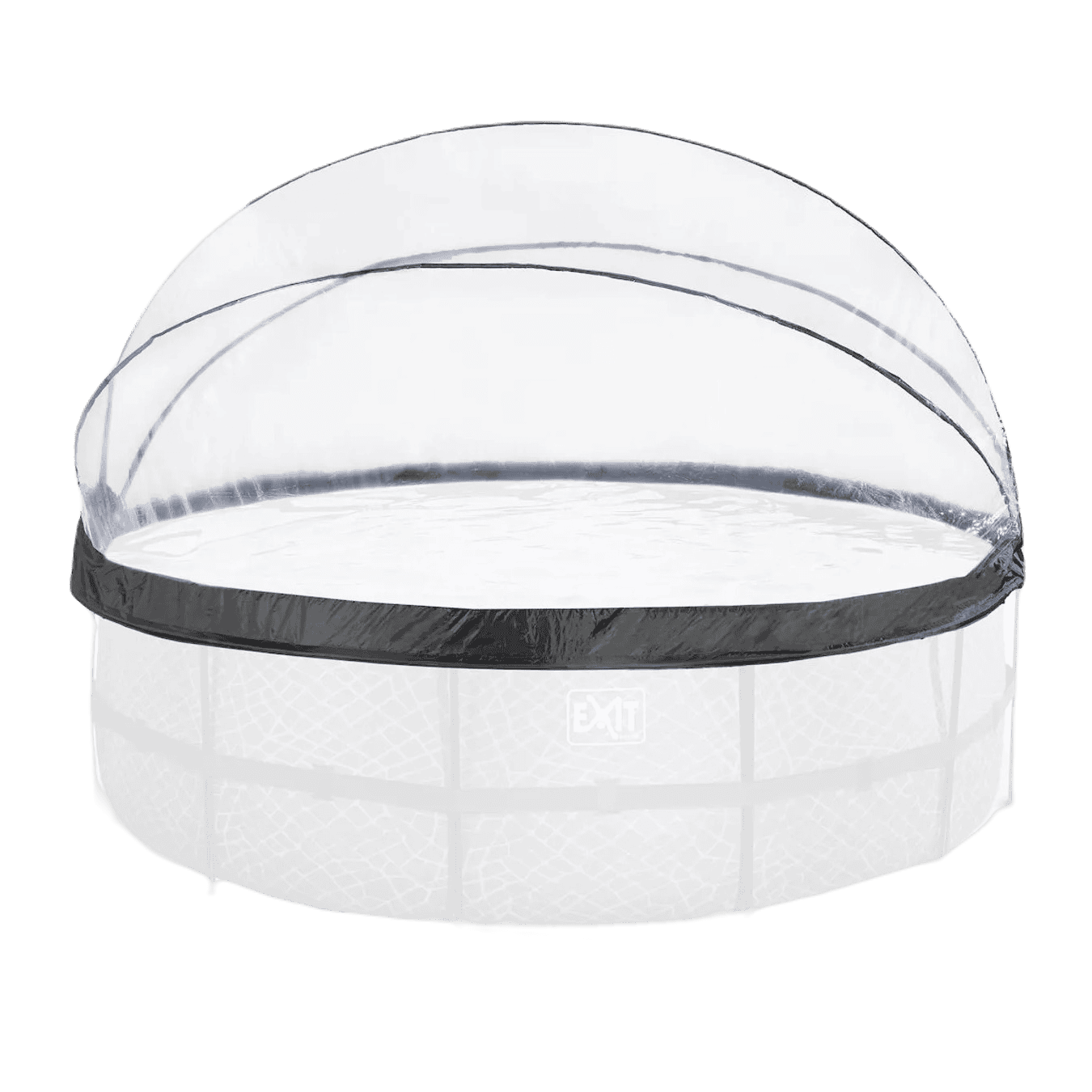
An essential part of winterising the pool is correctly covering the pool. Use a quality winter cover that fits well around the edges, so that no dirt or light can enter the water. Preferably choose a cover that protects not only against leaves, but also against UV radiation and frost. The right cover ensures that up to 80% less dirt reaches the water. Regularly check that the cover is still securely fitted and undamaged for optimal protection.


Step 5: Checks and maintenance during winter
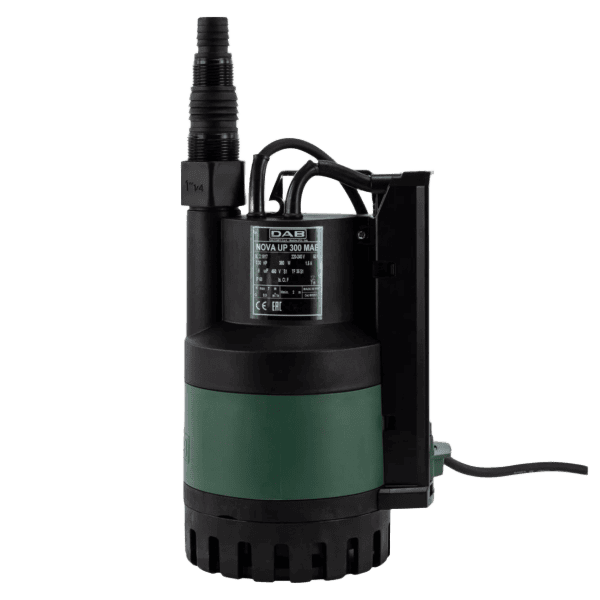
Winterising the pool remains important even during the winter period. Regularly check the cover for tears, loose edges or the build-up of snow and water. Remove excess water and snow promptly with a soft brush or pump. Inspect the water level and water quality once a month. These short, periodic maintenance checks prevent unpleasant surprises in spring and keep your pool in top condition for the new season.
Common mistakes and how to avoid them
The same mistakes are often made when winterising the pool, with annoying consequences in spring. A common mistake is starting too late. As soon as the temperature drops below 15°C, it is time to begin. If you wait too long, you risk frost damage to pipes and pumps.
Incorrect dosing of chemicals is also common. A dose that is too high or too low can lead to green build-up or damage to pool materials. Always use a water analysis test kit and follow the instructions on the label. Also, don't forget to properly protect pipes and pumps against freezing. This prevents burst pipes and costly repairs.
Another mistake is not fitting the cover correctly. When the cover does not fit properly, dirt and water still get into the pool. This results in extra cleaning work in spring. Use a properly fitting cover and check regularly for damage.
Many beginners make the mistake of skipping steps or preparing insufficiently. Always make a checklist and ensure all necessary supplies are ready. For a complete overview of pitfalls and solutions, you can consult the 10 steps to winterise your pool article.
Practical tips, such as timely removing snow from the cover and periodically checking the water level, help prevent damage. You can find more useful advice in these pool winterising tips. This way you avoid mistakes and keep your pool in top condition.
Good preparation and carefully following the steps ensure that winterising your pool goes smoothly and that problems in spring are kept to a minimum.
Frequently asked questions about winterising your pool
The right time to winterise your pool is when the water temperature drops below 15°C. This prevents algae growth and protects pipes against frost. Don't wait too long, as frost damage often occurs unexpectedly.
Many people wonder whether you can completely drain a pool in winter. This is strongly discouraged. The water protects the lining and structure against external pressure. Draining can lead to cracks or subsidence.
Essential products for winterising your pool are a winter cover, winter floats, winterising fluid and a good water analysis kit. In addition, large chlorine tablets for pool maintenance are important to maintain water quality.
To prevent green deposits in spring, treat the water preventively with winterising fluid and regularly check the cover. Want to know how to get your pool clean again after winter? Then also read the article starting up your pool for spring.
In the event of unexpected frost, it is important to immediately check that pipes are properly protected and the water level is not too high.


