


The different filter media options and their pros and cons
Maintaining a pool involves more than just topping up the water. Choosing the right filter medium is essential to ensure your pool water stays crystal clear. But with so many types of filter media available—from traditional filter sand to high-tech glass beads—it can be difficult to determine what best suits your pool.
Here we discuss the most commonly used filter media, the advantages and disadvantages of each type, and what to pay attention to when filling a sand filter.
Filter sand
What is filter sand and how does it work?
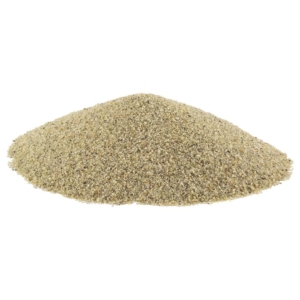
Filter sand is the traditional filter medium that has been used for decades in most pool filters. It works by capturing dirt particles as the water flows through the sand grains. Filter sand is easy to obtain and easy to use, which makes it a popular choice.
Lifespan and replacement
Filter sand lasts 4 to 5 years, depending on how intensively the pool is used and how often you clean the filter. After this period, the filtration capacity decreases because the sand grains gradually wear down and become saturated with dirt.
Advantages
- Low purchase cost.
- Easy to obtain and use.
- Suitable for most sand filters.
Disadvantages
- Less effective compared to modern alternatives, such as filter glass.
- Requires regular replacement and maintenance.

Filter glass
What is filter glass and how does it work?
Filter glass is a modern alternative to filter sand, made from recycled glass. It offers higher filtration precision and removes even the smallest dirt particles from the water. In addition, filter glass is easier to clean using the backwash function.
Lifespan and replacement
One of the biggest advantages of filter glass is the longer lifespan of 10 to 15 years. You also need approximately 15% less filter glass compared to sand.
Advantages
- Higher filtration quality.
- Long lifespan.
- Less maintenance required.
- Suitable for all types of sand filters.
Disadvantages
- Higher initial cost compared to filter sand.


Glass beads
What are glass beads and how do they work?
Glass beads, such as VitroSphere nano, are small spherical beads made of glass. They are designed to provide ultra-fine filtration and are a premium option for pool water treatment. Due to the high purity of the material, glass beads remain free of bacterial growth, making them more hygienic.
Lifespan and replacement
Glass beads theoretically last a lifetime, provided they are properly maintained. However, they are not suitable for cheaper filters such as those from brands like Intex or Bestway.
Advantages
- Lifetime durability.
- Superior filtration precision.
- More hygienic thanks to bacteria-resistant properties.
Disadvantages
- Not compatible with all filters.
- More expensive to purchase.

Filter balls
What are filter balls and how do they work?
Filter balls, such as Bestway Flowclear Polyspheres, are made of polyethylene and form an innovative alternative to sand and glass. Thanks to their flexibility and lightweight material, filter balls can effectively capture dirt particles.
Lifespan and replacement
The lifespan of filter balls varies between 2 and 4 years. They are ideal for smaller pool filters, especially for above-ground pools.
Advantages
- Lightweight and easy to handle.
- Ideal for small and portable pools.
- Easy to rinse clean and reuse.
Disadvantages
- Shorter lifespan compared to other filter media.
- Less suitable for large pools or heavy-duty filter systems.


Activated Filter Media (AFM NG)
What is AFM NG and how does it work?
AFM NG (Activated Filter Media) is an advanced type of filter glass designed for superior performance. Thanks to a unique activation procedure, AFM NG filters much better than standard filter glass and prevents the growth of micro-organisms.
Lifespan and replacement
AFM NG can, like filter glass, last 10 to 15 years, provided it is used and maintained correctly.
Advantages
- Excellent filtration qualities.
- Prevents bacterial growth in the filter.
- Long lifespan and low maintenance costs.
Disadvantages
- Higher cost compared to standard filter glass.

Hi-tech filter glass
What is hi-tech filter glass and how does it work?
Hi-tech filter glass, such as products made from new glass with a purity of 99.99%, is the latest development in filter media. It offers the highest filtration precision and reduces chemical use by up to 30%.
Lifespan and replacement
Thanks to its exceptional durability, hi-tech filter glass lasts a lifetime, which makes it a cost-efficient choice in the long term.
Advantages
- High purity and filtration precision.
- Reduction of chemicals in the pool water.
- Lifetime durability.
Disadvantages
- The highest initial cost of all filter media.
How to correctly fill a sand filter
Filling your sand filter correctly is crucial for optimal performance. Here are a few important steps:
- Check the central pipe – Make sure this is correctly centred before you start.
- Fill with water – Fill the bottom of the filter tank with water to prevent the filter medium from damaging the filter candles.
- Distribution of the media – Spread the media evenly and fill to the correct level (for example, a mix of fine and coarse for more than 100 kg).
- Use rinse function – Rinse the new filter medium with a backwash cycle before filtering the pool water.
Choose the best filter medium for your pool
Each filter medium has its unique benefits and applications. Choose the option that best suits your needs.


