Chlorine vs. saltwater pool: The complete comparison
This advice is part of the ‘All about saltwater pools: Your complete guide’ series.
Are you about to build a pool or renovate your current system? Then this is probably the first question that comes to mind: "Do I choose a traditional chlorine pool or go for saltwater?"
There are many misconceptions about these systems. For example, it is often thought that a saltwater pool is completely chlorine-free or that the water tastes strongly of seawater. Your ultimate choice affects swimming comfort, costs and ease of maintenance.
In this blog post, we clearly compare both systems. You will read more about the technology, costs, maintenance and swimming experience. This way, you can make a choice that suits your wishes and situation.
How does disinfecting your pool work?
Before we go into the differences further, it is good to know how both systems disinfect the water. The goal is always the same: killing bacteria and algae to guarantee safe swimming water.
The traditional chlorine pool
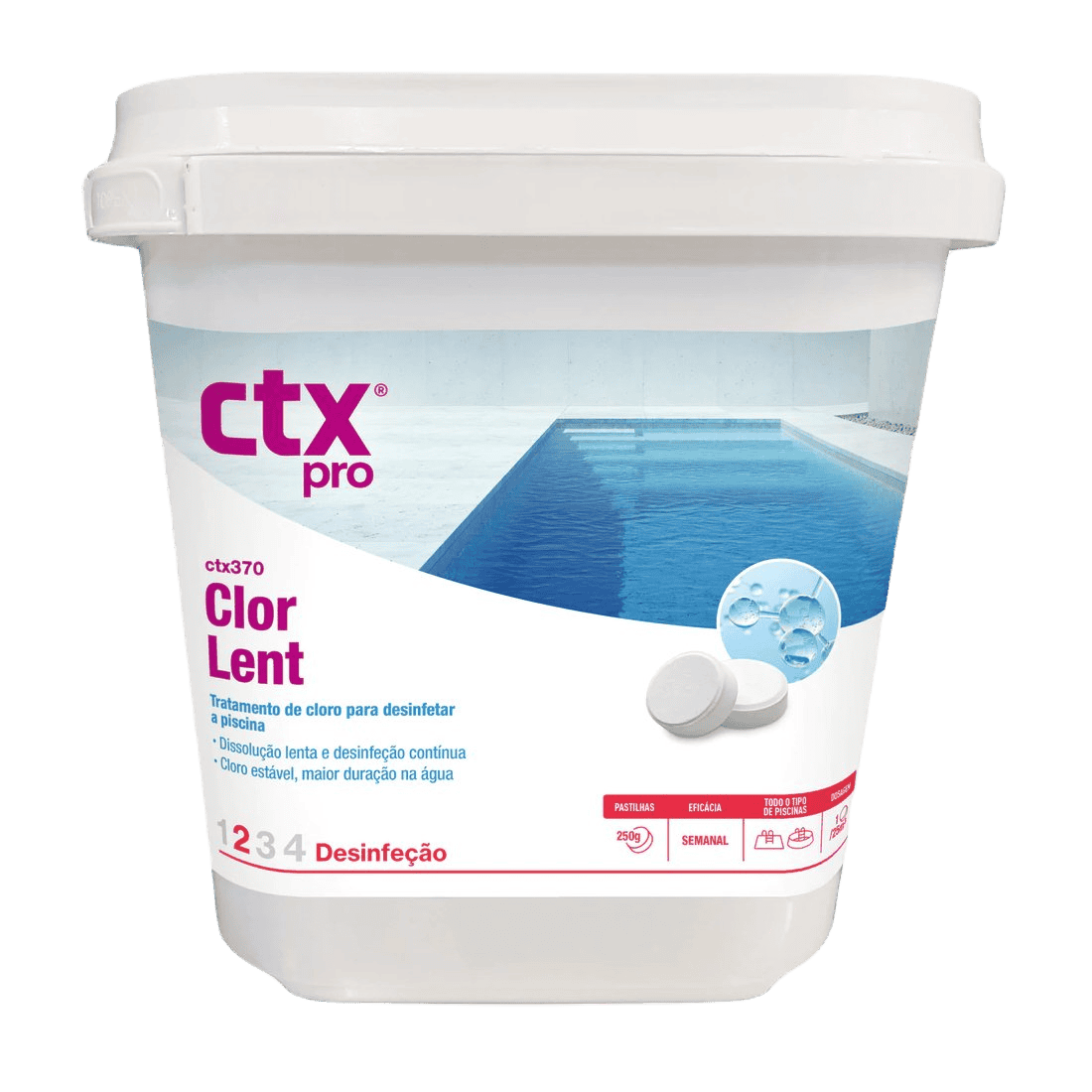
In a chlorine pool, you manually add chlorine, usually via tablets, powder or liquid chlorine. The chlorine dissolves in the water and works immediately as a disinfectant. Once the chlorine has been used up, you need to add more to maintain the correct level.
The saltwater pool (Salt chlorinator)
The main misconception surrounding saltwater pools is that they contain no chlorine. In reality, a saltwater pool is also a chlorine pool, only the chlorine is generated in a different way. By adding salt to the water and passing it through an electrolysis device flow through it, the salt (sodium chloride) is converted into liquid chlorine. This process repeats continuously: after disinfection, the chlorine turns back into salt.


Water quality and swimming comfort
For many pool owners, comfort plays a major role in the choice. There are clear differences between the experience in chlorine and salt water pools.
Chlorine pool: The characteristic smell of a pool is usually the result of combined chlorine, i.e. chlorine that has reacted with dirt. In a well-maintained private pool, this smell plays a minimal role. However, after swimming you may sometimes experience red eyes, dry skin or fading of swimwear if the chlorine concentration is too high.
Salt water pool: Salt water is often experienced as softer and more pleasant on the skin. The concentration salt is relatively low, so you barely taste it and it doesn't sting your eyes. People with sensitive skin or eczema therefore often choose this option. In addition, the continuous production of chlorine ensures stable water quality without peaks, which means irritation occurs less often.
Pool maintenance and ease of use
The required pool maintenance differs per system and determines how much time you spend on your pool each week.
Chlorine pool: You will spend more time testing and correcting the water values, especially in summer. You usually measure the pH– and chlorine value and top up with tablets or powder. After intensive use or warm weather, an extra chlorine shock is sometimes needed. It is also important to store chlorine products safely, out of reach of children and pets.
Salt water pool: A salt system automates much of the maintenance, although you remain the supervisor. The salt chlorinator produces the chlorine itself. However, this system often causes the pH value to rise, which is why a pH regulator is strongly recommended. In addition, the salt cell can become calcified over time and requires maintenance: cleaning twice a season is usually sufficient. You only need to top up salt if there is water loss, for example due to backwashing the filter.
The cost picture: Investment and maintenance
The costs of your pool consist of one-off investments and ongoing expenses.
Purchase costs: A chlorine pool is the cheapest choice at the start. You only need a simple test kit and chemicals. With a salt water pool, you invest directly in a salt chlorinator system, a professional system can range from approximately €1,000 to €2,500, excluding installation.
Ongoing costs: Chlorine products such as tablets and powder are relatively expensive and need to be purchased every year, especially as raw material prices rise. With a salt pool, the annual costs are low: salt is cheap, and after start-up you usually only need to top up in the event of water loss. However, the electrolysis cell does wear out and needs to be replaced on average every 3 to 5 years, at a cost of several hundred euros. In the long run, these costs balance out reasonably well, but bear in mind the higher initial investment for a salt system.
Technical points of attention: Corrosion and material choice
An important point of attention with salt water is the effect on materials. Salt is corrosive by nature. It attacks metal if the material is not sufficiently resistant.
The pool pump, heat exchanger and built-in parts in particular deserve attention. The pump must have a suitable shaft seal. If you have a heat pump or heat exchanger, choose titanium components, as standard stainless steel is sensitive to salt. Also pool ladders and other metal parts must be made of high-quality stainless steel (SS 316) or plastic.
Do you have a steel above-ground pool? Then extra caution is required: holes or damage to the coating can lead to rapid rust formation.
Chlorine or salt water pool: Pros and cons at a glance
A chlorine pool offers the advantage of a lower investment during construction, simple technology and low risk of corrosion. You can effectively disinfect the water at any temperature. On the other hand, manually adding chlorine takes time, you have to handle hazardous substances, and the chance of odour, skin or eye irritation is greater than with salt.
Salt water pools are known for their soft and pleasant water, and automatic disinfection means less attention is needed for the system. The disadvantages lie in the higher purchase costs, wear of the salt cell and requirements around corrosion-resistant materials. Here too, pH control is necessary due to the natural rise caused by the salt chlorinator.
Which option suits you best?
There is no single best choice: it depends on your budget, preferences and skin sensitivity.
A chlorine pool is attractive if you have a limited budget, use a small or temporary pool, and don't mind carrying out the maintenance on a weekly basis. If you'd rather avoid extra technical installations, this choice also makes sense.
A salt water pool is particularly interesting if comfort is your priority, you have sensitive skin, or you prefer automated maintenance. Over time, you partly recoup the higher purchase costs through ease of use and lower annual expenses on chemicals. However, it does require investment in adapted materials and attention to the technical installation.
Are you switching over with an existing pool? Always check whether your equipment is resistant to salt water to avoid costly damage. If you need more advice or want to compare different systems, please feel free to get in touch. Making a well-informed choice leads to years of clear and enjoyable pool water—whether with chlorine or with salt.